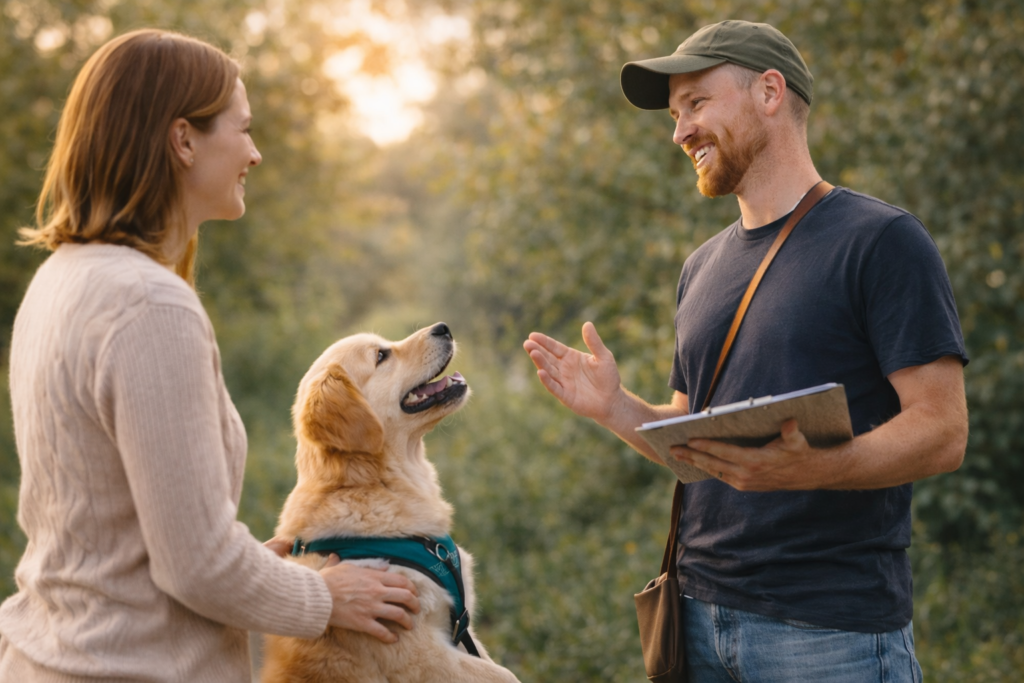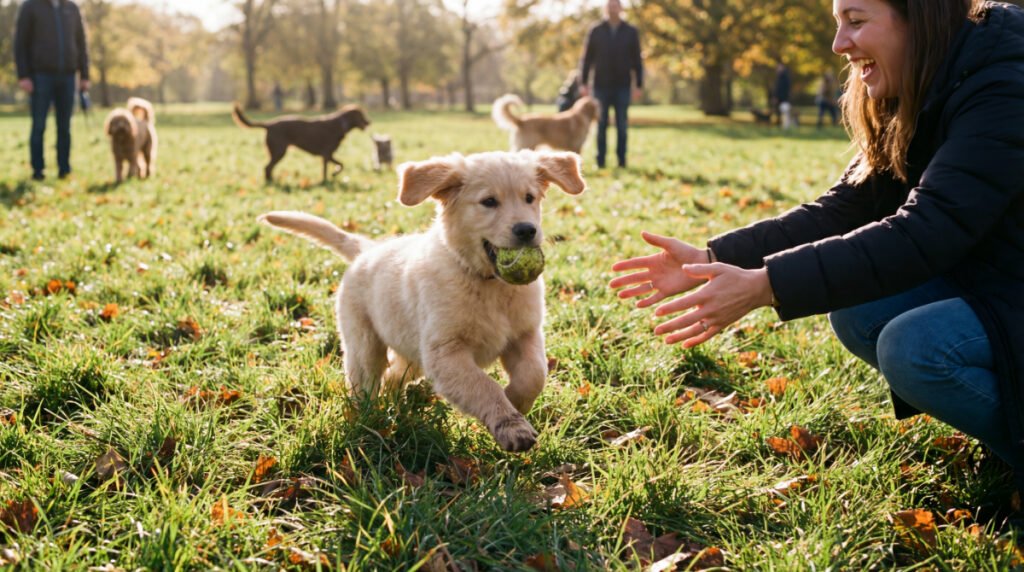

Before jumping into training, it’s essential to understand why dogs behave the way they do. Dogs are pack animals, and they thrive on structure and routine. Recognizing their natural instincts and communication cues will help you train them more effectively.
Canine Psychology and Natural Instincts
Dogs are descendants of wolves, and their behavior is deeply rooted in their evolutionary history. Understanding their pack mentality and social hierarchy can provide insights into their actions. For example, many dogs display guarding behavior as part of their natural instinct to protect their pack.
Reading Body Language
Dogs communicate primarily through body language. Recognizing signs like wagging tails, ear positions, and body posture can help you interpret their feelings and reactions. A wagging tail doesn’t always mean a dog is happy; the speed and height of the wag can indicate different emotions.
Identifying Behavioral Triggers
Every dog has unique triggers that can lead to unwanted behavior. These triggers can be other animals, loud noises, or specific situations. Identifying and understanding these triggers is crucial for effective training, as it allows you to manage and counteract negative reactions.
Common Behavior Problems
Some typical issues new dog owners face include excessive barking, leash pulling, jumping on guests, and chewing. These behaviors can be managed and improved with consistent training and understanding.
Excessive Barking
Barking is a natural form of communication for dogs, but excessive barking can be problematic. It often stems from boredom, anxiety, or territorial behavior. Identifying the cause is the first step in addressing the issue effectively.
Leash Pulling
Leash pulling is a common problem, especially in energetic breeds. It can make walks stressful for both the dog and the owner. Teaching your dog to walk calmly on a leash requires patience and practice.
Jumping on Guests
Dogs often jump on guests as a form of greeting, which can be overwhelming or even dangerous. Teaching your dog to greet politely can prevent this behavior and make interactions more pleasant for everyone.
Destructive Chewing
Chewing is a natural behavior for dogs, but it can become destructive if not managed properly. Providing appropriate chew toys and redirecting their attention can save your belongings and keep your dog entertained.
The Role of Positive Reinforcement
Positive reinforcement involves rewarding your dog for desired behaviors, encouraging them to repeat these actions. This method is humane and builds trust between you and your dog. Remember, patience and consistency are key.
Benefits of Positive Reinforcement
Positive reinforcement is not only effective but also strengthens the bond between you and your dog. It encourages your dog to learn willingly and enjoy the training process, leading to more reliable behavior changes.
How to Implement Positive Reinforcement
Implementing positive reinforcement involves rewarding your dog immediately after they perform the desired behavior. Rewards can be treats, praise, or playtime, depending on what motivates your dog the most.
Overcoming Challenges with Positive Reinforcement
While positive reinforcement is highly effective, it requires consistency and timing. Challenges such as timing the reward correctly and maintaining patience can arise, but with practice, these can be overcome.
Step-by-Step Guide to Training Your Dog
Setting Up for Success
- Create a Safe Space: Designate a quiet area in your home where your dog can focus during training sessions without distractions. A safe space helps your dog feel secure and reduces anxiety, making it easier for them to concentrate. This space should be free from loud noises and interruptions, allowing for uninterrupted training sessions.
- Gather Your Tools: You’ll need treats, a clicker (optional), a leash, and a collar. These tools will help facilitate effective training. High-quality treats that your dog loves will keep them motivated. A clicker can be a useful tool for marking the exact moment your dog performs the desired behavior, making the learning process clearer for them.
- Establish a Routine: Consistency is crucial. Set aside time each day for training, aiming for short but frequent sessions. A routine helps your dog anticipate training sessions and adapt to the structure. Short sessions of 5-10 minutes several times a day are more effective than longer, less frequent ones, as they prevent fatigue and maintain your dog’s interest.
Basic Obedience Training
Sit Command

- Get Your Dog’s Attention: Hold a treat close to your dog’s nose. This helps your dog focus on you and the treat, making them more likely to follow your cues. Use an enthusiastic tone to keep them engaged.
- Move the Treat Upwards: As your dog follows the treat with their nose, their bottom will naturally lower. Moving the treat upwards encourages your dog to adopt a sitting position. Be patient and allow them time to follow the motion.
- Say “Sit” and Reward: Once seated, immediately say “sit” and give them the treat. Praise enthusiastically. Timing is crucial here. Rewarding your dog immediately reinforces the connection between the command and the action. Use positive verbal cues to boost their confidence.
Stay Command

- Start with “Sit”: Begin from a sitting position. Starting from a “sit” position provides a stable base for your dog, making it easier for them to understand and comply with the “stay” command.
- Use a Hand Signal: Show your palm to your dog and say “stay”. A clear hand signal, along with the verbal command, helps your dog associate the gesture with the action. Consistency in signals is key.
- Take a Step Back: Wait a few seconds, then return and reward if they stay put. Gradually increasing the distance and duration will strengthen your dog’s ability to stay. Start small and slowly build up their endurance.
- Increase Duration: Gradually increase the time and distance before rewarding. As your dog becomes more comfortable with staying, you can challenge them by increasing the time they remain in place. Always return to them and reward for compliance.
Come Command

- Use a Long Leash: Allow some distance between you and your dog. A long leash gives your dog the freedom to move, simulating off-leash conditions while still maintaining control. This setup is ideal for practicing recall.
- Call Them to You: Say “come” in a cheerful voice while gently pulling the leash. Your tone should be inviting and encouraging. Avoid using a harsh voice, which can create negative associations with the command.
- Reward When They Arrive: Praise and treat them as soon as they come to you. Immediate rewards reinforce the positive behavior of returning to you. Use a high-value treat to make the recall experience rewarding.
Advanced Training Tips
Training Your Dog to Stay in the Yard
- Boundary Training: Walk your dog around the yard’s perimeter, using a leash initially. Reward them for staying within the boundaries. Boundary training helps your dog understand their physical limits. Repetition and rewards will reinforce their understanding of where they are allowed to roam.
- Use Visual Cues: Set up markers or flags to define yard limits. Visual markers serve as a clear reminder for your dog, helping them recognize boundaries even when off-leash. Gradually phase out the markers as your dog becomes accustomed to the limits.
- Practice Off-Leash Recall: Once your dog understands the boundaries, practice calling them back to you within the yard. Regular practice off-leash strengthens their recall skills and builds trust in their ability to stay within designated areas.
Leash Training Tips

- Start Indoors: Begin by letting your dog wear the leash indoors to get accustomed to it. Familiarizing your dog with the leash in a controlled environment reduces anxiety and helps them associate it with positive experiences.
- Practice “Heel”: Walk with your dog on your left side, using treats to encourage them to stay by your side. The “heel” command teaches your dog to walk calmly beside you. Use treats to maintain their focus and reward them for staying in position.
- Gradual Exposure to Outdoor Walks: Slowly introduce outdoor environments, starting with quiet areas. Gradual exposure to outdoor stimuli helps your dog adjust to the sights and sounds of walks, reducing the likelihood of pulling or distractions.
Addressing Specific Needs
Puppy Training

- Focus on Socialization: Introduce your puppy to various environments, people, and other animals. Early socialization helps puppies develop into well-adjusted adults. Exposure to different situations builds their confidence and reduces fear responses.
- Puppy-Proof Your Home: Prevent chewing and accidents by removing temptations. Creating a safe environment for your puppy reduces the risk of destructive behavior. Provide appropriate toys and supervise them to prevent unwanted chewing.
- Basic Commands and Crate Training: Start with simple commands and introduce crate training as a safe space. Teaching basic commands and crate training establishes a foundation for good behavior. A crate can serve as a comforting den and aid in housetraining.
Shy Dog Training Tips

- Build Confidence Gradually: Use positive reinforcement to reward brave behavior. Rewarding your shy dog for exploring new situations encourages them to step out of their comfort zone. Celebrate small victories to boost their confidence.
- Avoid Overwhelming Situations: Introduce new experiences slowly and at their comfort level. Gradual exposure to new stimuli prevents overwhelming your shy dog. Allow them to explore at their pace and retreat if they show signs of stress.
- Create a Safe Haven: Provide a quiet space where your shy dog can retreat when feeling anxious. A designated safe space can help your dog manage anxiety. This area should be free from stressors and provide a sense of security.
What Progress Looks Like During Dog Training
When you begin training your dog, improvement usually happens gradually rather than all at once. Many dog owners expect instant results, but real behavior change develops through repetition and consistency.
For example, a dog that pulls on the leash during walks may not stop pulling immediately. In the early stages of training, you might simply notice small improvements, such as your dog checking in with you more often or walking calmly for a few seconds at a time.
These small moments are important signs that your training is working.
Over time, as your dog continues to receive clear guidance and positive reinforcement, those short moments of good behavior start lasting longer. A dog that once pulled constantly may begin walking calmly beside you for most of the walk.
Training Setbacks Are Normal
It’s also normal for dogs to have occasional setbacks. Changes in environment, excitement, or distractions can temporarily affect their behavior.
When this happens, simply return to the basics and continue reinforcing the behaviors you want to see. Consistency and patience are the keys to long-term success.
Celebrate Small Wins
Every small improvement matters. Whether your dog responds to a command faster, walks more calmly, or greets guests more politely, these are meaningful steps forward.
Recognizing and rewarding these moments helps build confidence for both you and your dog while strengthening the trust between you.
Learn More with a Step-by-Step Dog Training Workshop
If you’re looking for a structured way to learn these techniques, many dog owners find it helpful to watch professional trainers demonstrate the process step-by-step. This free online dog training workshop explains practical methods for teaching obedience, improving recall, and solving common behavior problems using positive reinforcement.
You can watch the free dog training workshop here and see how these techniques are demonstrated in real training sessions.
Final Thoughts
Training your dog is a journey that requires patience, consistency, and understanding. By employing positive reinforcement and humane techniques, you can address behavior problems and build a strong, trusting relationship with your dog. Remember, every dog is unique, so tailor your approach to suit their personality and needs.
Embracing the Training Process
Embrace training as an ongoing process, not just a one-time effort. Continuous learning and adaptation are key to maintaining and improving your dog’s behavior over time.
Individualizing Your Approach
Every dog has a distinct personality and learning style. Tailoring your training methods to fit your dog’s individual needs will yield the best results and strengthen your bond.
Looking Forward to a Happy Partnership
Incorporate these techniques into your daily routine, and soon you’ll enjoy a calm, obedient, and well-behaved companion.
Enjoy your training!
By dedicating time and effort to training, you lay the foundation for a lifelong partnership filled with trust, respect, and mutual understanding.
Q&A
Question: Why is positive reinforcement recommended for dog training?
Short answer: Positive reinforcement is humane, builds trust, and encourages your dog to learn willingly. By rewarding desired behaviors immediately (with treats, praise, or play), your dog understands exactly which action earned the reward and is more likely to repeat it. While timing and consistency can be challenging at first, practice helps you deliver rewards at the right moment, leading to more reliable behavior changes and a stronger bond.
Question: How long and how often should I train my dog?
Short answer: Keep sessions short and frequent-about 5–10 minutes several times a day. Establish a consistent routine so your dog can anticipate training and focus better. Set up a quiet, distraction-free safe space to help them feel secure and concentrate during each session.
Question: My dog pulls on the leash. What’s the best way to start fixing it?
Short answer: Begin indoors so your dog can get used to the leash without distractions. Practice “heel” with your dog on your left side, using treats to reward them for staying beside you. Gradually move to quiet outdoor areas and increase distractions slowly. Patience and regular practice are key to calmer, more enjoyable walks.
Question: How does reading my dog’s body language improve training?
Short answer: Dogs communicate primarily through body language. Watching tail wag speed and height, ear position, and posture helps you gauge their emotions and reactions. For example, a wagging tail isn’t always “happy”-its speed and position can signal different feelings. Recognizing these cues lets you adjust your timing, manage triggers, and keep sessions positive and productive.
Question: What does real progress look like, and how should I handle setbacks?
Short answer: Progress is gradual-look for small wins like brief moments of calm walking, faster responses to cues, or more frequent “check-ins.” Over time, these moments last longer and occur more often. Setbacks are normal, especially with new environments or distractions. When they happen, return to the basics, reinforce the behaviors you want, and stay consistent and patient. Celebrating small improvements boosts confidence for both you and your dog.